
Can a UAE tenant drill shelving into an apartment wall or replace a ceiling light after finding an Aicamp idea, or must the tenant obtain written consent first? Before spending money, the tenant must test the exact proposal against the lease, landlord requirements, building controls and authority rules, then agree what happens to the alteration at move-out.
Which approval gates apply before a UAE tenant follows Aicamp renovation advice?
Every renovation idea should pass four separate gates: lease permission, landlord consent, building or community clearance and any statutory approval required for the work.
| Gate and question | Decision-maker | Evidence to obtain | Risk if unresolved |
|---|---|---|---|
| Does the lease permit the change? | Tenant and landlord under the tenancy contract | Relevant clause, addendum and condition report | Breach allegation, damage claim or deposit dispute |
| Has the landlord accepted the exact scope? | Property owner or authorised representative | Signed consent describing installation and reinstatement | Removal or making-good at the tenant’s cost |
| Does the building or community permit the work? | Building manager, owners’ association or master developer, as applicable | NOC, fit-out clearance and contractor-access approval | Refused access, stopped work or management charges |
| Does regulated work require approval? | Competent authority for the location and work type | Required permit, licence or inspection record | Unsafe, non-compliant or rejected work |
Landlord consent does not automatically replace building or authority approval
Dubai Law No. 26 of 2007, Article 19, connects property changes with both landlord permission and any licences required from competent official entities. An owner’s email therefore does not override building controls or statutory requirements. Structural, service-related and externally visible work generally demands closer review than temporary decorative work.
The strictest applicable document should control the tenant’s project plan
The approval requirements are cumulative, not alternatives. If a lease permits painting but the consent letter specifies approved colours, or building management requires insured contractors and protected lift access, the tighter condition belongs in the project scope.
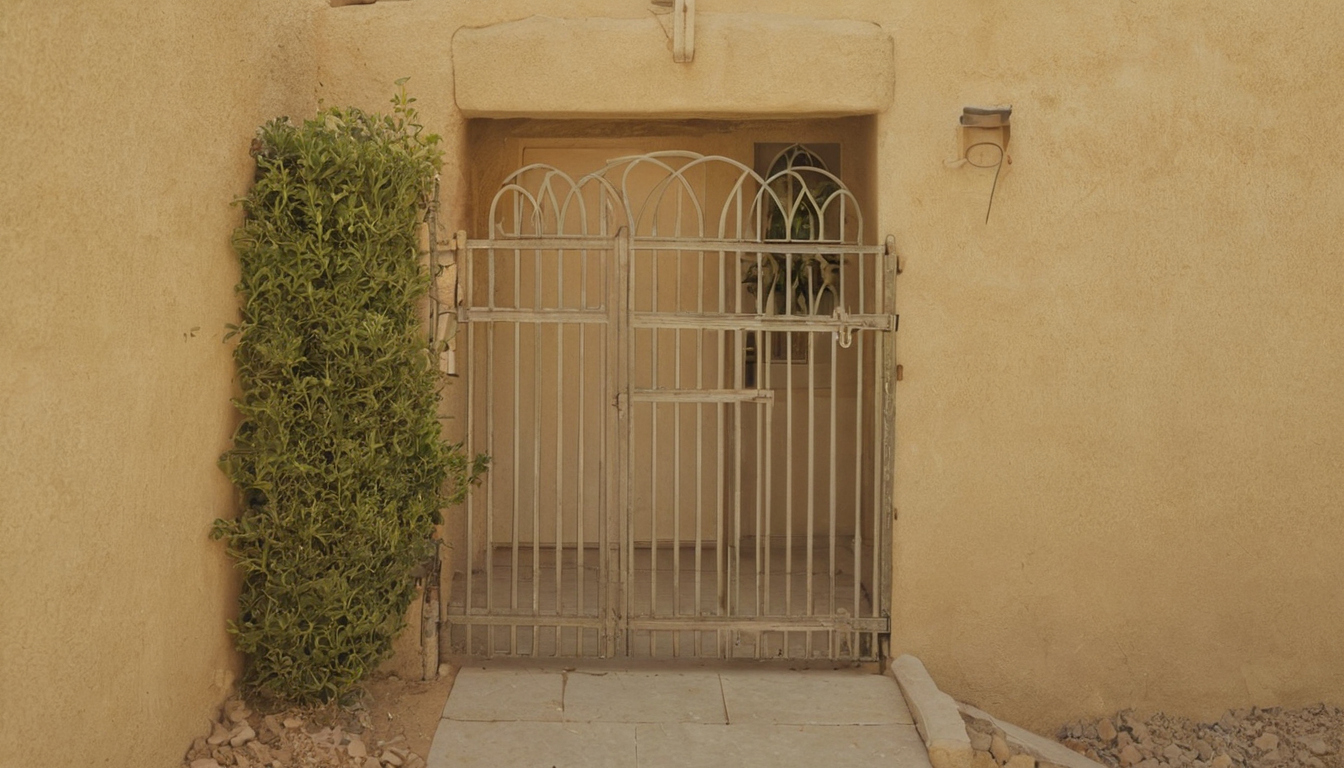
Which approval gates apply before a UAE tenant follows Aicamp renovation advice shown with practical context cues.
For Dubai tenancies, Article 21 links handover to the property’s original condition, subject to ordinary wear and tear and specified exceptions. Article 23 restricts removal of tenant-installed improvements unless the parties agree otherwise. These Dubai provisions are not UAE-wide rules, so tenants elsewhere must check the law and requirements for the property’s emirate. The signed lease remains the starting baseline.
What do UAE tenancy contracts and emirate rules say about tenant alterations?
Tenants should read the signed tenancy contract and every addendum before requesting quotations because property-specific clauses may regulate drilling, painting, fixtures, access, damage and reinstatement.
Which tenancy clauses should a tenant read before requesting quotations?
- Alterations and decoration: Check whether changes require prior written consent and whether an email qualifies as formal notice.
- Maintenance and permitted use: Separate routine tenant care from work reserved for the landlord or an approved contractor.
- Notices and access: Identify submission procedures, work hours, contractor insurance, worker registration and inspection requirements.
- Contractor conduct: Check rules for lift protection, deliveries, noise, waste removal and damage to common areas.
- Damage and finishes: Record existing chips, holes and stains. The Natural Stone Institute’s care guidance recommends neutral cleaners, stone soap or mild dishwashing detergent with warm water for natural stone. It warns that abrasive scouring powders or creams can scratch the surface.
- Deposit and handover: Establish the required return condition and permitted deductions. For Dubai tenancies where a deposit was collected, Article 20 of Dubai Law No. 26 of 2007 permits a landlord to hold a security deposit for end-of-tenancy maintenance and requires the deposit or remaining balance to be refunded when the tenancy ends.
Emirate-specific rules must be checked for the property’s location
Dubai legislation should not be presented as a rule for every UAE tenancy. Tenants in Abu Dhabi, Sharjah and other emirates should verify current local legislation, amendments, authority terminology and property requirements with the competent entity. The lease, addenda and building manual must be read together before classifying the proposed change.
Which rental-home changes are removable, consent-sensitive, or approval-sensitive?
The practical dividing line is how an improvement is attached, what it affects, whether it is externally visible and whether the original condition can be restored without damage.

Which rental-home changes are removable, consent-sensitive, or approval-sensitive shown with practical context cues.
Freestanding and genuinely reversible improvements carry the lowest tenancy risk
Usually removable: furniture, rugs, freestanding storage, plug-in lamps and curtains fitted to existing tracks. Tenants considering space-saving ideas for UAE apartments should retest each idea for fixing method and reversibility. Tension fittings, adhesive accessories and heavy furniture can still mark finishes or obstruct detectors and exits.
Drilling, painting, adhesives, and fixture replacement still need a lease check
Consent-sensitive: drilled shelving, wall hangings, fitted cabinetry, adhesive films, paint, replacement lights, smart devices, sanitary fixtures and floating or bonded flooring. Risk rises when work penetrates stone or tiles, replaces landlord-owned fittings or connects to wiring or plumbing.
The U.S. Environmental Protection Agency identifies many paints, building materials, furnishings and adhesives as products that emit volatile organic compounds as gases. Product choice and application conditions therefore matter. For suitable bulb replacements, ENERGY STAR states that qualified LEDs use at least 75 percent less energy and last up to 25 times longer than incandescent lighting. Those benefits do not authorise changes to a light fixture or circuit.
Service, structural, façade, and life-safety work requires specialist review
Approval-sensitive: partitions, kitchen modifications, balcony work and changes affecting electrical circuits, plumbing, gas, HVAC, structure, façades, sprinklers, alarms, waterproofing or escape routes. A qualified fit-out professional should identify required drawings, licensed trades, inspections and authority referrals before consent is requested.
How should a UAE tenant obtain consent and clearance before work begins?
A tenant should submit one defined scope and mobilise the contractor only after every applicable approval has been received in retrievable written form.
- Review the lease, addenda and building alteration rules.
- Turn an Aicamp idea into a contractor-ready project brief.
- Request scope-specific landlord consent.
- Submit the accepted proposal to building management.
- Obtain any authority referral identified for the work.
- Mobilise only after all conditions are satisfied.
- Arrange required completion inspections.
- Retain approvals, photographs and close-out records.
A consent request should describe the exact scope, method, and reinstatement position
The request should identify each room, product, fixing method, affected service, contractor and proposed making-good. Attach marked-up plans, condition photographs, product sheets, finish samples and contractor credentials where relevant. State whether each installation will remain or be removed at handover.
Building-management clearance should cover access as well as technical work
Management requirements may cover contractor registration, insurance, worker identification, protection deposits, lift bookings, delivery routes, work hours and waste removal. “Approved,” “NOC issued,” “access approved” and “approved with conditions” are not necessarily equivalent.
Authority approval should be confirmed by the competent entity for the exact work
The landlord, manager, consultant or licensed contractor should confirm who must submit the application. “Authority approval pending” means work cannot start. These Dubai villa renovation approval checks provide useful prompts, but the villa guidance does not replace rental-specific or property-specific checks.

How should a UAE tenant obtain consent and clearance before work begins shown with practical context cues.
A written reinstatement schedule protects both the UAE tenant and landlord
Landlord consent should state what may remain, what must be removed and what condition is expected at tenancy end. A room-by-room schedule supported by dated photographs reduces uncertainty over paint, holes, fixtures, stored components and deposit deductions.
The move-in condition record should become the reinstatement baseline
Record walls, ceilings, floors, doors, cabinetry, sanitaryware, appliances, lighting, controls, balconies and existing defects. For every alteration, note the original condition, approved work, exit requirement and inspection status.
Removed landlord-owned fixtures should be labelled, protected, and stored by agreement
Photograph, package and label original lights, handles, curtains, sanitary fittings and appliances by room. The agreement should identify the storage location, access arrangements, deterioration risk and responsibility for reinstallation.
The consent letter should identify who pays for removal and final making-good
Choose a clear outcome for each item: the improvement remains, the original component returns, the surface is restored or acceptance follows inspection. Allocate removal, defect correction and making-good costs before instructing the contractor.

A written reinstatement schedule protects both the UAE tenant and landlord shown with practical context cues.
What should a UAE tenant confirm before paying a renovation contractor?
Before paying, the tenant should hold an approved scope, itemised quotation, permission trail, required permits, contractor credentials, access confirmation, protection plan and reinstatement allowance.
The contractor quotation should match the approved scope line by line
Compare the consent letter, drawings, material specifications and reinstatement schedule with every quotation item and exclusion. Confirm the contractor’s relevant trade licence, insurance, worker-access eligibility and building registration where required. Stop unapproved variations until the landlord, management or authority has reviewed them as applicable.
Tenants should budget for protection, approvals, storage, and reinstatement
Separate installation from application fees, alteration deposits, common-area protection, waste removal, testing, cleaning, storage and making-good. Obtain property-specific charges directly from the landlord or manager rather than relying on a generic renovation estimate.
A final inspection and document pack should close the alteration properly
Retain completion photographs, test results, inspection records, permit closure, warranties, deposit-release requests, landlord acknowledgement and the updated reinstatement schedule. Pay against verified deliverables and completion, not mobilisation alone.
Frequently asked questions
Can a tenant paint walls or drill holes without written landlord consent?
The tenant should first check the lease and obtain written consent where the contract, landlord or building rules require it. The approval should specify colours, drilling locations and the required making-good.
Does a landlord’s NOC allow work to begin without building clearance?
No. A landlord’s NOC does not replace building-management clearance, contractor-access approval or any required statutory approval.
Who restores approved alterations when a UAE tenancy ends?
The lease and consent letter should allocate responsibility. The tenant may need to remove the work and restore finishes unless the landlord agrees to another outcome.
Can a landlord allow an improvement to remain?
Yes, if the parties record that agreement clearly. The document should identify the item, confirm acceptance and state whether any payment or maintenance responsibility applies.
What records help challenge an alteration-related deposit deduction?
Keep the move-in condition report, dated photographs, landlord consent, building approvals, contractor invoices, completion records, reinstatement evidence and signed handover report. The practical rule is simple: define permission and the exit condition before spending, not after the work is installed.