
What makes an Aicamp-based interior brief ready for contractor pricing?
Six checks separate inspiration from a priceable brief: scope, location, outcome, responsibility, evidence and open decisions. Without them, contractors may interpret the same Aicamp references differently and return quotations that cannot be compared fairly.
A pre-tender brief defines the rooms, intended work, measurable requirements, constraints, priorities and deliverables. Aicamp articles can guide decisions, but they do not replace verified surveys, dimensions, drawings, approvals or project-specific specifications.
A contractor-ready brief answers scope, performance and responsibility questions
- Scope and location: What will be retained, removed, supplied or changed, and where?
- Outcome: Is the entry design intent or a measurable requirement?
- Responsibility: Who verifies, designs, supplies, installs and approves it?
- Evidence: Which drawing, sample, test or record confirms completion?
- Open decisions: What remains subject to survey, approval or specialist input?
The package should include a project summary, room schedule, requirements, references, responsibilities, assumptions, exclusions and quotation format. It is not a construction drawing package, bill of quantities or contract.
Aicamp articles should be audited before their ideas enter the project brief
Sort each input into transferable intent, confirmation required or illustrative only. Objectives connected to the property and users can enter the brief; generic dimensions, brands and methods remain references until verified.
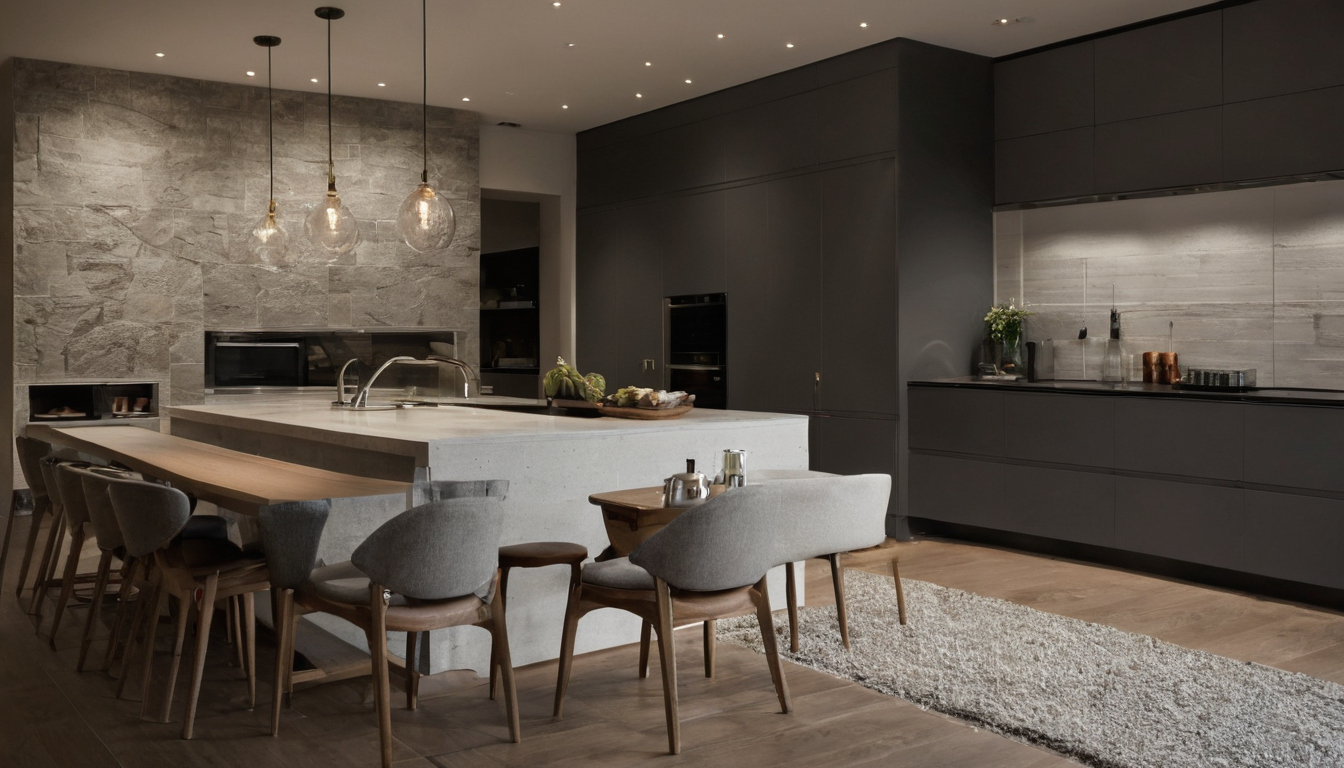
Aicamp articles should be audited before their ideas enter the project brief shown with finish, fixture, and clearance relationships visible.
Editorial intent can transfer, but project facts must be verified
Record the article title, access date, relevant passage or image, lesson and project interpretation.
| Article input | Brief treatment | Verification |
|---|---|---|
| Use, maintenance or appearance | State as an intended outcome | User approval and room survey |
| Dimensions, substrate or service capacity | Mark unconfirmed | Survey or specialist evidence |
| Brand, image or generic method | Reference or alternative | Suitability, availability and rights |
Product claims remain conditional. ENERGY STAR states that qualified LED lighting uses at least 75 percent less energy and lasts up to 25 times longer than incandescent lighting. The brief must confirm qualification and suitability.
Reference images need annotations rather than implied instructions
Annotate what to follow and what not to copy. Record the source, check reproduction rights and request samples or mock-ups where screen colour, texture or scale could mislead.
A room-by-room schedule turns Aicamp research into priceable scope
A room schedule gives each space a traceable scope covering existing conditions, intended work, quantities, finishes, services, interfaces and exclusions.
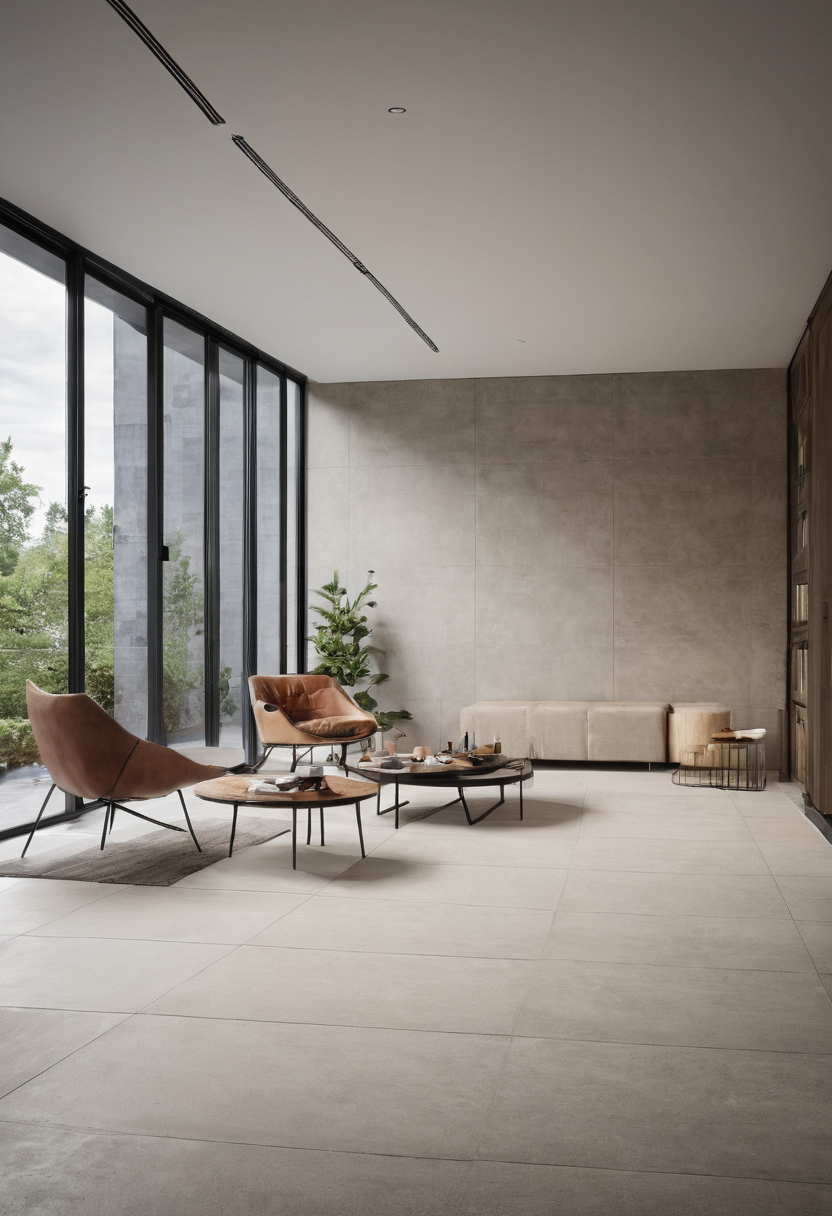
A room-by-room schedule turns Aicamp research into priceable scope shown as a planning reference for layout, scale, and material decisions.
| Field group | Required entries |
|---|---|
| Identity | Room code, name, existing condition and demolition |
| Works | Floor, walls, ceiling, joinery, furniture, lighting, services and handover |
| Control | Source, status, quantity basis, responsibility, exclusions and decisions |
Every scheduled item needs a source, status and responsible party
Use confirmed, provisional, contractor to verify and excluded. Identify owner, contractor, nominated and retained items, then cross-reference the survey, drawing, article or client decision. The RIBA Plan of Work organises project activity into eight stages with defined outcomes, tasks and information exchanges.
Unknown quantities should remain visible instead of becoming guesses
Treat an unknown as a site measure, provisional quantity, allowance, option or exclusion. Require measurement assumptions and unit rates. Aicamp’s small-space guidance for UAE apartments can suggest circulation or storage objectives, but a survey must establish available space.
Aesthetic ideas must become measurable interior performance requirements
Aesthetic preferences become priceable when the brief states dimensions, substrates, finish systems, samples, interfaces, installation limits, warranties and completion evidence. Each applicable demolition, finish, joinery, lighting, service, furniture or handover entry needs a location, performance requirement and approval status.
Furniture requirements should describe use before naming a product
Confirm intended use, capacity, access constraints, upholstery preference, cleaning expectations and supply responsibility. Use Aicamp’s guide to choosing a sofa for a UAE home as a prompt, not a substitute for measurements or product approval.
Smart-home requirements should define outcomes, interfaces and handover
Identify rooms, zones, scenes, controls, users and network dependencies. Aicamp’s practical smart-home automation guide can prompt questions, while the brief allocates cabling, programming, testing, licences, credentials, training, records and warranties.
Equivalent products require stated comparison criteria
Alternatives must match stated appearance, dimensions, performance, compatibility, warranty, availability and maintenance criteria. Contractors should disclose cost and programme effects before substitution.
The U.S. Environmental Protection Agency guidance on VOCs identifies several interior products as potential sources and recommends ventilation during use. Its residential moisture guidance advises prompt correction of damp spots. The Natural Stone Institute recommends neutral cleaners or mild detergent for natural stone and warns against abrasive products.
Budget priorities, allowances and exclusions make contractor quotations comparable
Comparable quotations require consistent commercial boundaries. Rank priorities, identify owner-supplied items and require the same pricing breakdown from every contractor.
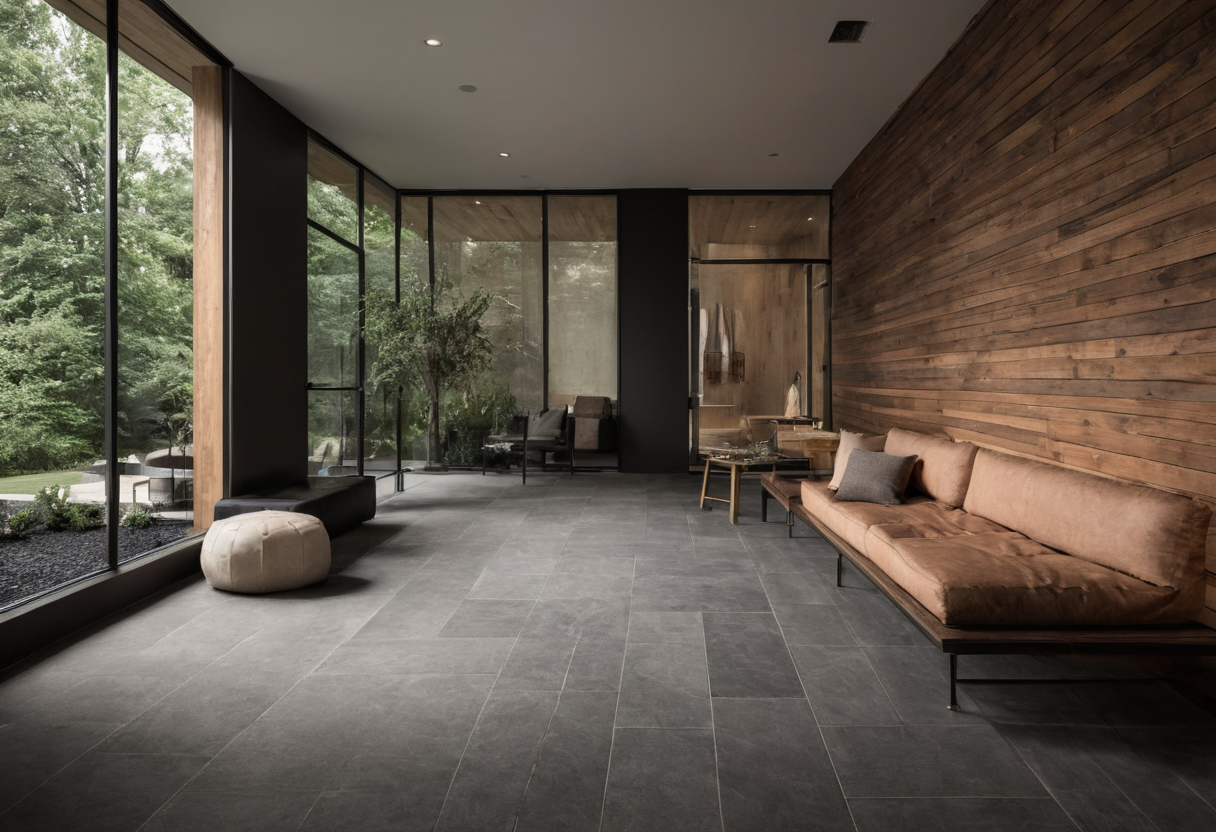
Budget priorities, allowances and exclusions make contractor quotations comparable shown as a planning reference for layout, scale, and material decisions.
The budget hierarchy should show what can change first
Confirm whether the budget includes tax, fees, approval costs and loose furniture. Label requirements essential, preferred, optional or future phase.
- Separate fixed requirements, provisional allowances, options, unit rates and exclusions.
- Require saving proposals to explain performance and visual consequences.
Exclusions and assumptions should be priced or acknowledged consistently
Require scope, quantity, unit, rate, amount, proposed system, lead time, validity, assumptions and exclusions. State tax treatment and record responsibilities beside Dubai villa renovation approvals to confirm before work.
A living-room example shows how Aicamp guidance becomes a structured brief
A hypothetical living-room conversion demonstrates the change from inspiration to instruction. The outcome is comfortable seating, clear circulation and simple lighting control, while physical and technical details remain subject to verification.
The worked example separates intent from contractor instruction
| Insight | Client decision | Verified fact | Brief requirement | Quotation treatment |
|---|---|---|---|---|
| Sofa guidance | Users, maintenance and supply responsibility | Circulation and delivery route | Approved upholstery sample; annotated reference | Exclude client-supplied sofa; verify access |
| Automation guidance | Scenes and controls | Existing infrastructure | Zones, interfaces, programming, testing and training | Price undecided blind control as an option |
The final brief should be issued through a controlled contractor-query workflow
Issue one revision-controlled package to every bidder. A named decision-maker should manage open items, answer queries consistently and compare returns against identical information.
A pre-issue check should expose contradictions and missing decisions
The package should contain the brief, room schedule, drawings, reference register, responsibility matrix, commercial schedule, approval assumptions and return template.
- Check conflicting dimensions, duplicated work, missing rooms and contradictory requirements.
- Confirm survey status, owner-supplied items, access assumptions and approval responsibilities.
- Record the revision, issue date, recipients, query deadline and return date.
- Log queries and responses, then circulate clarifications to every bidder.
Contractor quotations should be normalised before selection
| Comparison area | Required review |
|---|---|
| Scope | Inclusions, exclusions, omissions and alternatives |
| Commercial | Allowances, assumptions, unit rates and adjusted total |
| Delivery | Programme, warranties and handover records |
Assess compliance and omissions before comparing totals. A pre-tender brief does not authorise work; coordinate the selected scope with the contract, approved design information and applicable permissions.
Frequently asked questions
Can an AI tool turn Aicamp articles into a contractor-ready project brief automatically?
AI can organise inputs and expose missing fields, but surveys, client decisions, specialist design and responsibility allocation require qualified human review.
What information must a contractor receive before pricing a UAE interior project?
Provide room-based scope, available drawings, measurable requirements, quantities or allowance rules, responsibilities, exclusions, approval assumptions and a common quotation format.
How should participants collaborate while requirements are changing?
Maintain an open-decision register, assign an owner and deadline to each decision, and issue changes through numbered revisions.
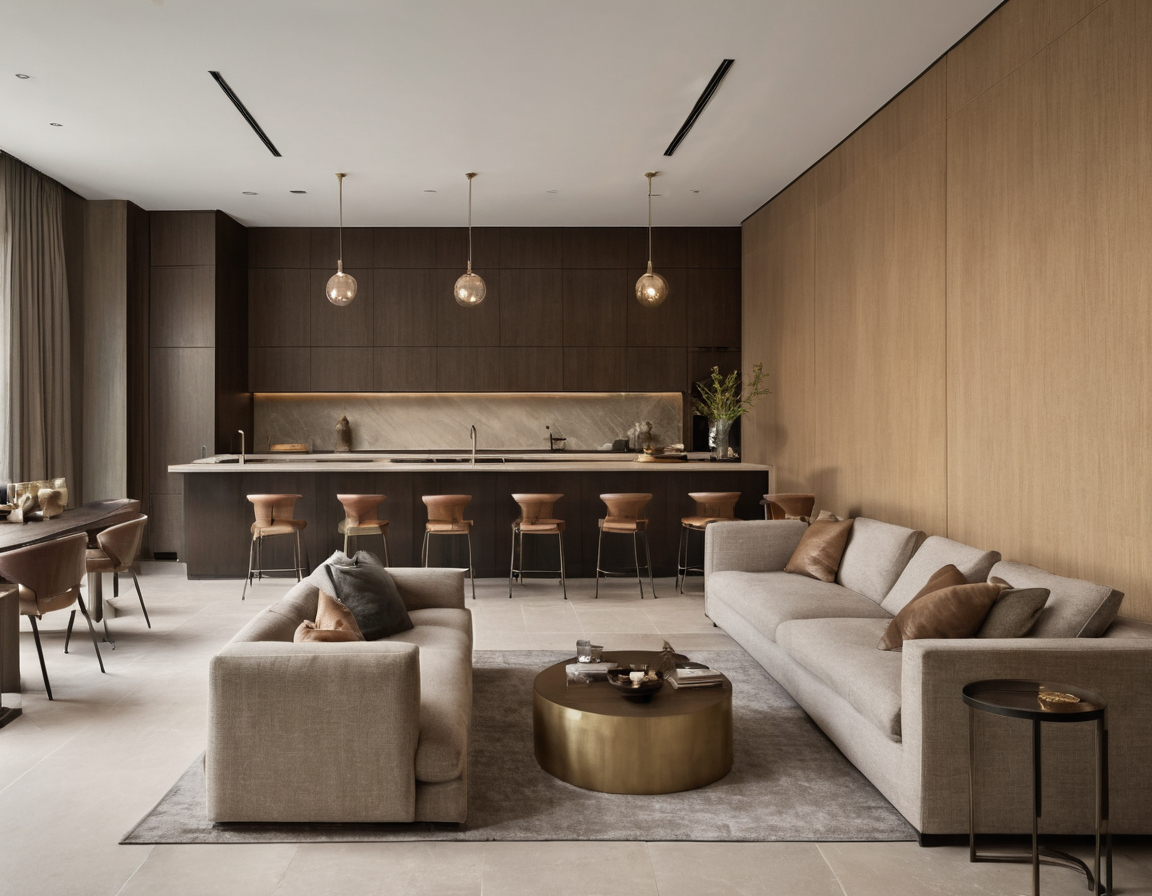
The final brief should be issued through a controlled contractor-query workflow shown as an editorial reference for proportion and finish coordination.
Is an Aicamp inspiration board enough to request comparable quotations?
No. Comparable pricing requires recorded scope, evidence, status, responsibility and commercial treatment.
When should approval requirements enter the brief?
Record authority, developer, landlord or building-management responsibilities before tender whenever the work, access arrangements or property rules may require approval.